On this page
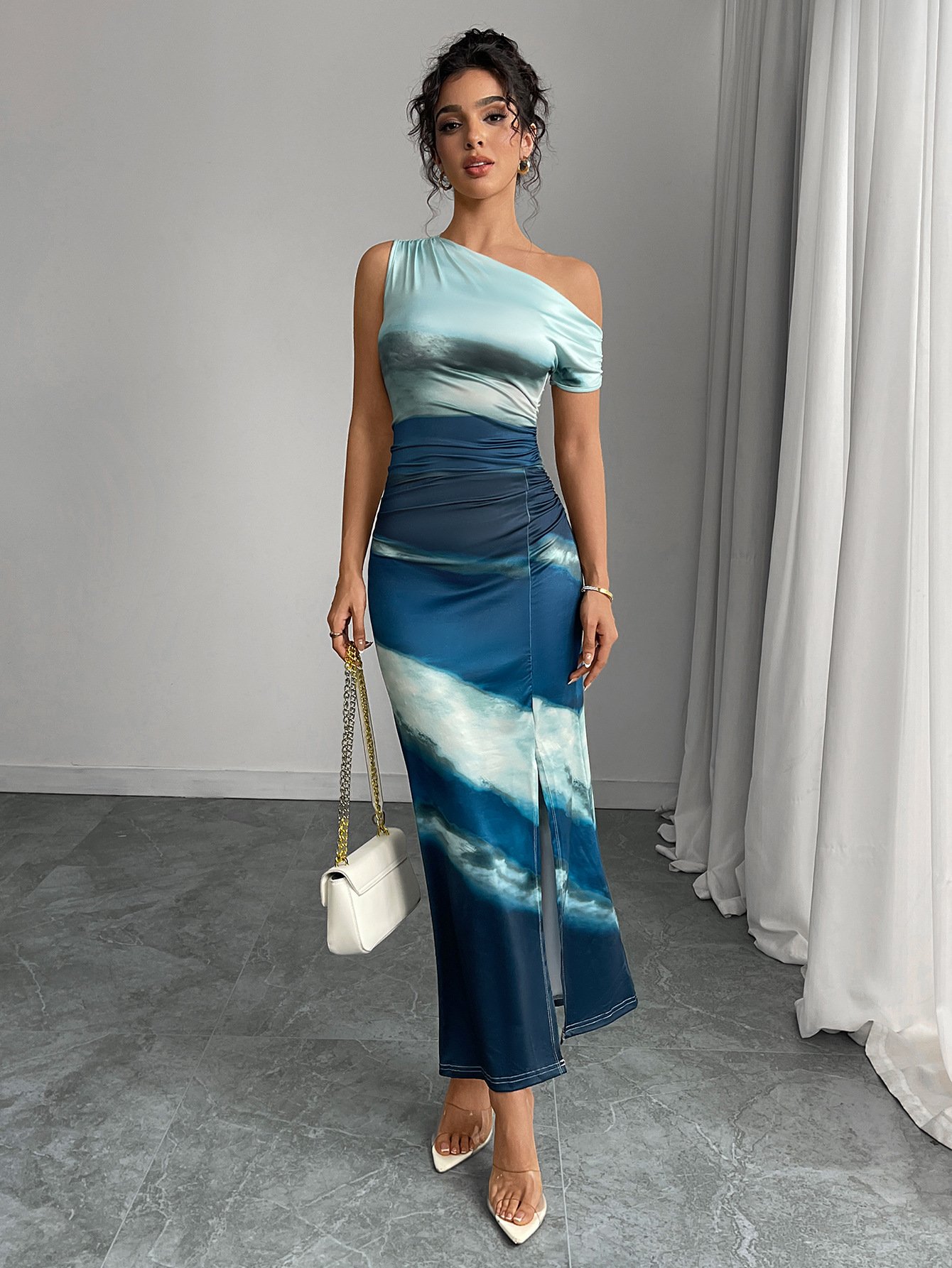
This is written for fashion brands, retailers and product developers using red carpet imagery as research. It is the single-look counterpart to our season reports — eveningwear, prom, bridesmaid, wedding guest and colour — which read a whole cycle, and it covers the editing problem rather than the trend reading. The category is on our red carpet dress manufacturing and cocktail dress pages.
Extract the idea before copying the object
The first step is to work out what in the image is doing the work. A red carpet look usually has one or two dominant signals and a great deal of supporting detail, and only the signals are transferable.
Where the look came from, and why that matters
A red carpet look is usually the end of a process rather than the beginning of one. It was developed for a specific wearer, for a specific event, with a stylist and a fitting schedule, and it was resolved in the knowledge that one person would wear it once. Every one of those conditions is removed the moment the look becomes a product, which is why translation is a different exercise from the original design rather than a shortened version of it.
That matters practically, because it explains which parts of a look are robust and which are artefacts of its origin. The proportion is robust: it came from a silhouette decision and it survives being cut in another fabric. The construction is frequently not, because it was resolved through fitting rather than through a graded pattern. The surface technique is sometimes not, because it was rationalised around a one-off volume and a specialist workroom. Knowing which of the three a given look depends on is the first thing to establish, and it is cheaper to establish from the image than from a sample.
Find the signal
| Where the impact comes from | What the customer would notice if it changed | How it survives translation |
|---|---|---|
| Proportion | The silhouette reads as a different garment | Transfers almost intact — it is a pattern decision, not a technique |
| Neckline | The garment reads as a different design | Transfers, subject to the coverage and structure it needs |
| Colour | The image loses its identity | Transfers, subject to what the materials can supply in depth |
| Drape | The garment loses its movement | Transfers, and it is a fabric decision rather than a labour one |
| Texture | The surface stops being the point | Transfers only if the texture can be produced at the price — this is where cost concentrates |
| Exposure | The garment stops being the same idea | Transfers, but it drags the construction problem with it |
Keep one or two, not six
A look that carries six signals is usually carrying two of them and merely including the other four. When all six are reproduced, the result is a literal copy that costs a great deal and reads as pastiche, because the sum of the signals is less than the impression the original made. Choosing the two that would most change the garment if they were removed is the decision that keeps a translation from becoming a copy.
A short method for reading an image
The reading is easier if it is done in a fixed order. Cover the styling first — hair, jewellery, gloves and shoes — and look at the garment alone. Then reduce it to a silhouette on a plain background and ask what shape it is. Then ask what would have to change for the garment to stop being that shape, which identifies the proportion. Then look at the surface and ask whether the impression comes from the fabric or from applied work, because that distinction decides whether the signal is affordable. Last, look at where the garment is open, because exposure carries its own construction cost with it.
Done in that order, the answers are usually unambiguous: one proportion, one surface decision, one opening. A look that reads as though it has more than three signals has usually been described rather than seen, and the description is what makes translation expensive — each additional signal is treated as a requirement and each one adds cost to a budget that was never large enough to carry them all.
Remove what does not belong to the garment
A red carpet image contains a great deal that is not the dress: hair, jewellery, gloves, a wrap, shoes, styling decisions taken at the last moment, and frequently a pose that hides a construction weakness. None of that transfers. Where a signal depends on an accessory — a high slit that reads because of the shoe, a bare shoulder that reads because of the hair — the signal is a styling effect rather than a design direction, and it will not survive being separated from its context.
Reduce construction without reducing identity
This is where the commercial work happens. Almost every red carpet technique can be produced at a lower cost if the cost is removed from the right place, and the right place is the part that does not carry the signal.
Substitutions that work
| Original technique | Commercial substitute | What is preserved | What is given up |
|---|---|---|---|
| All-over hand beading | Engineered placement — a concentrated area of handwork on a controlled zone | The surface impression, and the sense of depth | The uniform coverage, and the ability to be seen from every angle |
| Multiple draped layers | One engineered draped panel over a simpler base | The movement and the asymmetry | The layered complexity, which reads only in stills |
| Couture train | A defined sweep, or a detachable train | The back-line proportion for the photographed moment | The floor-level drama in movement, unless the detachable version is used |
| Fully boned bodice | A structured bodice with a support zone rather than bones throughout | The shape and the fit | The rigidity an event-length wear may not need |
| One-off fit work | A graded pattern with defined fit zones | The silhouette on a range of bodies | The exact fitting to one person, which was never sellable |
Simplify internals first
The cheapest reductions are inside the garment, because the customer does not experience them unless they fail. A lining that is simpler where it is not seen, an internal finish that is adequate rather than exquisite, a seam that is machine-finished in a place no one looks — all of these remove cost without touching the signal. The reductions that must be resisted are the ones that change behaviour: removing the support that keeps a bodice shaped, or reducing the seam allowance that keeps a slit closed.
Concentrate labour
Where a technique cannot be removed, it can be concentrated. A defined area of handwork on the front panel carries more impression per unit of labour than the same amount of work spread across the whole garment, and it is easier to inspect, easier to repair and easier to repeat. This is the single most reliable way to keep a surface signal while reducing its cost, and it applies to beading, embroidery, applique and any applied texture.
Rebuild for standard sizing
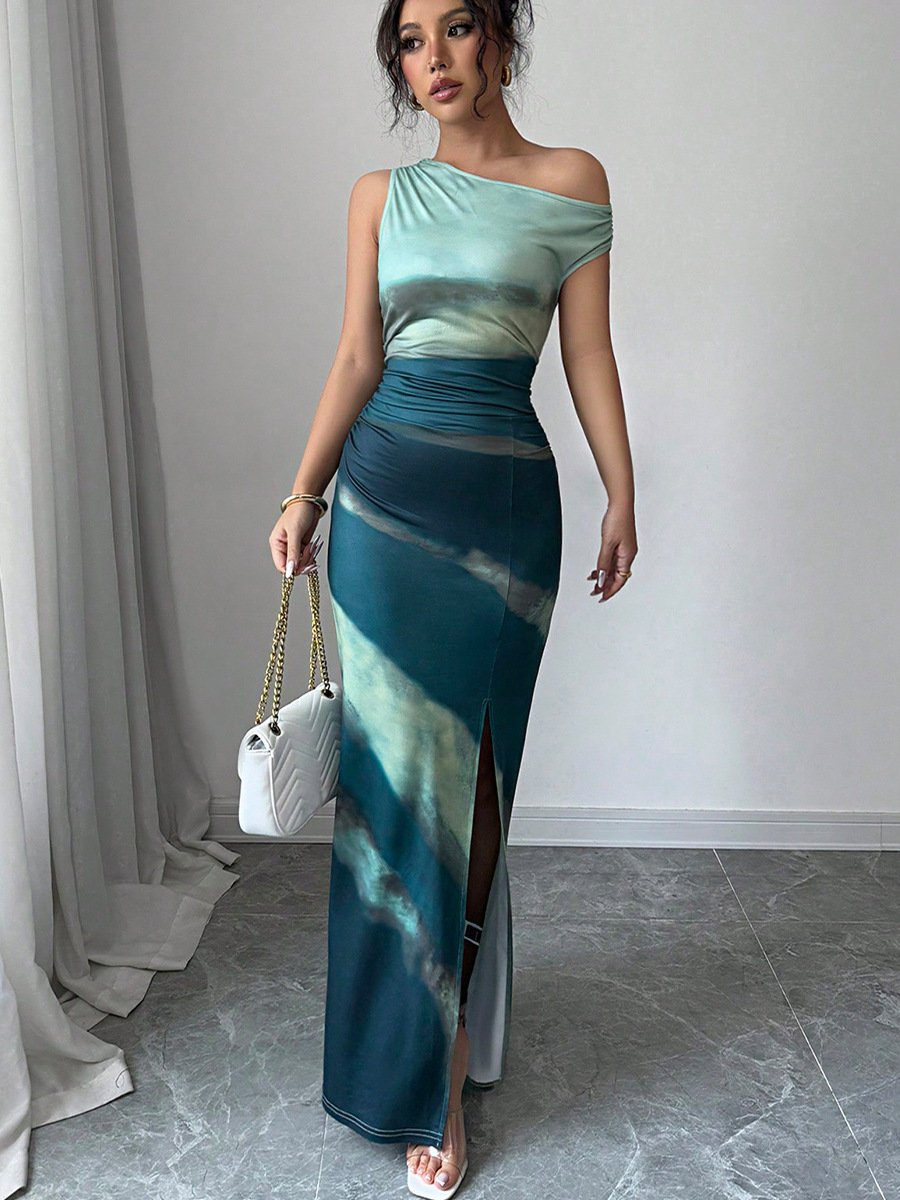
A red carpet garment is fitted to one person, and the fittings are not the difficult part of translating it. The difficult part is that the construction often assumes a fitting.
What a one-off fit removes
When a garment is made for one person, the pattern does not have to accommodate variation: the bust volume is known, the waist position is known, the shoulder is known. Every tolerance question is answered by the fitting. Remove the fitting and each of those becomes a specification, which means the construction has to be able to work across a range rather than at one value. A design that depends on a precise fit at the bust or the shoulder is a design that needs a structural answer — support zones, adjustable elements, or a defined range of fit — before it can be sold.
The closure problem
A one-off garment can be closed by someone else. A sold garment has to be closable, adjustable and secure without assistance, which is a different construction requirement rather than a styling one. This is why the translations that survive usually include a closure decision: a zip with a secondary hook, a laced panel with real eyelets, or a fastening that can be operated by the wearer. Our corset bodice fit and boning guide covers the closure as the component that carries the bodice's tension.
Test sitting, walking and self-dressing
Three tests decide whether a red carpet translation is wearable, and all three are cheap. Sitting tests the load path, particularly on a structured bodice or a long skirt. Walking tests the hem, the slit and the train. Self-dressing tests the closure and the adjustment, and it is the test most often skipped because it is not a design test — but a garment the customer cannot fasten is not a product, whatever it looks like on a form.
Create a price architecture
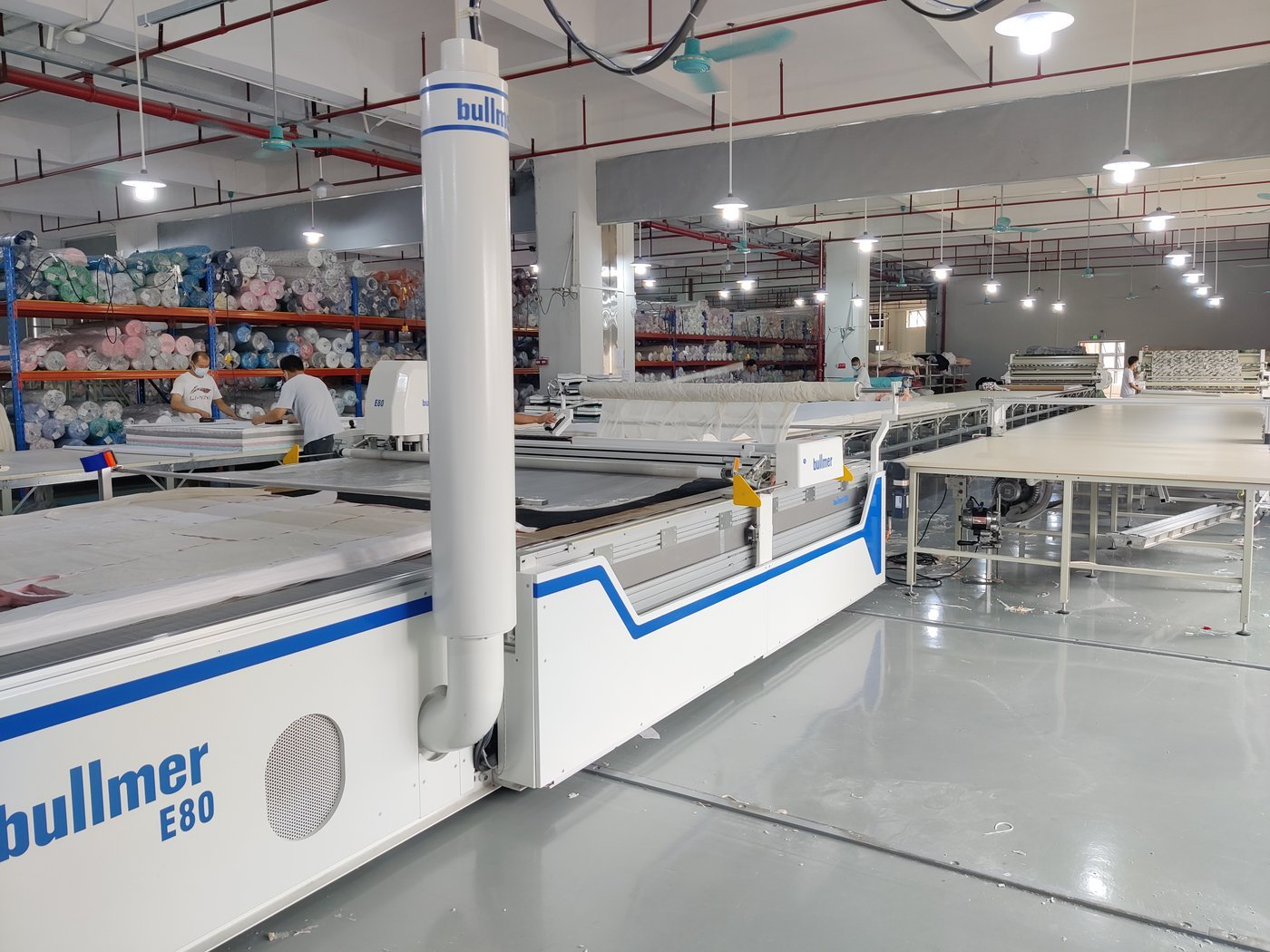
A translated look should usually become two products rather than one. The design language is the same; the fabric and the surface treatment separate the tiers.
Two versions from one language
The commercial version keeps the proportion and the drape, and expresses the surface with a fabric choice rather than with applied work. The statement version adds the concentrated labour, the more expensive ground, or the component that raises the impression. Built this way, the two versions share a pattern block, a fit standard and a photograph, which is what makes the second version cheap to develop — and it gives the range a clear reason for the price difference rather than an unexplained gap.
Cost every visible feature against its contribution
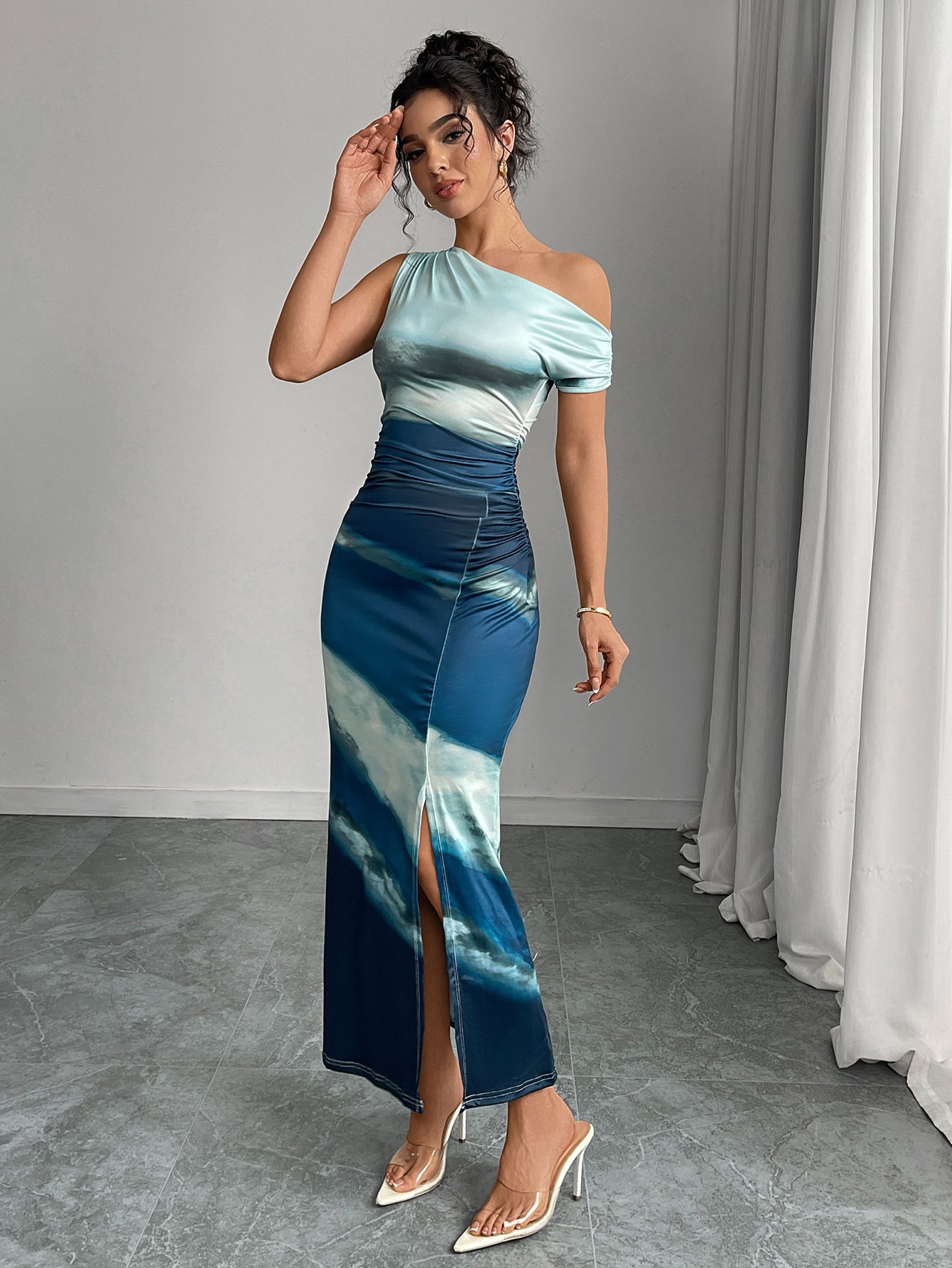
The useful discipline is to list the features the customer will see and ask what each one contributes to the impression, then compare that with what it costs. A feature that costs a great deal and contributes little is the one to remove; a feature that costs little and contributes a lot is the one to protect. In practice this is the table from the identity budget below, applied at the costing stage rather than after the sample.
Do not hide technique inside an undifferentiated price
Where a costly technique sits inside a mid-price garment without a visible reason, the range loses margin and gains nothing: the customer does not know she is buying it, and the retailer cannot price for it. The technique either earns a price position that reflects it, or it moves to the version that has one. This is the assumption most often left unexamined in a translated look, because the technique was carried over from the original and never re-costed against the tier the translation sits in.
Prototype the image moment
A translation is confirmed by photography, not by the sample in the hand. The image the look produced was the reason it was chosen, so the test is whether the translated garment still produces an image.
Photograph from the angle that made the idea
Reproduce the angle, the light and the framing of the original as closely as the studio allows, then look at whether the garment still communicates the signal. A draped back that reads as sculpture from behind can read as an unremarkable panel from the front; a slit that reads as a line in a walking shot can disappear in a standing one. The angle is part of the signal, and a translation that only works from an angle the customer will not see is not a translation.
Restore one high-impact feature
Where the translated garment loses its impact, the correction is to restore a single high-impact feature rather than to add back a set of small details. Restoring three small details tends to produce a garment that is more expensive and less coherent, because each addition solves a different problem. Restoring the one feature the identity budget says is load-bearing returns the garment to the idea, at a known cost, and leaves everything else simple. Deciding in advance which feature that is makes the correction a decision rather than a negotiation.
Commercialisation is an editing process
The framing worth holding on to is that this is subtraction rather than dilution. The garment that results is not a cheaper version of the original; it is the same idea with the unaffordable and the invisible removed. Where an edit removes something the customer would have noticed, it was not an edit, it was a different design — and the identity budget exists to make that distinction visible before the sample is made rather than after the range is bought.
The same look at three tiers
The identity budget is easier to apply once it has been run on one look at more than one price. The table below is the shape that emerges, and the point of it is that the signal is preserved at every tier while the labour moves. Reading it downwards, the proportion and the drape stay constant and everything expensive is progressively concentrated rather than removed.
| Tier | What carries the idea | What is added | What is removed |
|---|---|---|---|
| Commercial | Proportion and drape, in a fabric that moves correctly | Nothing — this is the base version | All applied surface work, and the train |
| Middle | The same proportion and drape, plus one concentrated detail | A defined area of handwork or a finer ground | Everything outside the defined area |
| Statement | The same proportion and drape, plus a resolved surface | Full handwork in the concentrated zone, and a longer sweep or a detachable train | Nothing — the internal finish is still simplified |
The pattern block is shared across all three, which is what makes the higher tiers cheap to develop and what keeps the fit standard identical between them. A customer who buys the commercial version and returns for the statement version should find that the dress fits the same way, because it is the same cut. That is the practical benefit of spending the budget on proportion first.
The identity budget
The budget is a way of deciding what may be removed. The signal column is what the customer recognises; the removal-cost column is what happens to the garment if it goes.
| Element | Is it load-bearing? | Cost to produce | Cost of removing it |
|---|---|---|---|
| Overall proportion | Almost always | Low — a pattern decision | The garment stops being recognisable; the highest-cost removal on the list |
| Neckline and shoulder line | Usually | Low to moderate | The design reads as generic; the photograph loses its frame |
| Defined drape or asymmetry | Often | Moderate — pattern and fabric | The movement disappears and the garment reads flat |
| Colour | Sometimes | Depends entirely on availability | The image loses identity, but the range may still sell |
| Concentrated surface work | Sometimes | High — labour | Impression drops sharply if the surface was the point |
| All-over surface work | Rarely | Very high | Little, if a concentrated version replaces it |
| Train length | Rarely | High — fabric, pressing, packing | The photographed back line, unless a sweep is kept |
| Internal finish detail | Never, unless visible | Moderate to high | Nothing, until it fails |
Reading the budget
Read top to bottom and the order of the removals becomes obvious: internals first, then scattered surface work, then train length, then colour depth — and proportion, neckline and drape last, because those are the cheap ones that carry the identity. The most common error in a translated look is the reverse: keeping an expensive all-over surface treatment and simplifying the proportion, which produces a costly garment that no longer looks like the idea it came from.
What must not be copied
One section of this subject is not technical and is worth stating plainly, because it carries commercial risk rather than manufacturing risk.
Research is not a design source
Red carpet imagery is legitimate research: it is public, it is dated, it is a record of what the category was doing, and reading it is how a buyer forms a view about direction. Reproducing a specific design line for line is a different activity. The distinction is not a matter of degree in the change made; it is a matter of whether the output is derived from the idea or from the object. Deriving from the idea produces a garment whose proportion and construction you can explain and defend. Deriving from the object produces one whose justification is that somebody else made it.
The practical test
- Can you state which signal you took, and why that signal rather than the others?
- Could you explain the construction from the fabric up, without referring to the original?
- Does the garment still work if the styling, the accessory and the pose are removed?
- Would the design survive a range extension — a second colour, a second length, a graded size set?
- Is there a version of this idea that belongs to your own range's history rather than to one event?
Own the translation
A translated look that carries the brand's own proportion and construction decisions is a stronger commercial asset than a close copy, for a straightforward reason: it can be repeated, extended and defended. It can be carried into next season, graded into a second silhouette, and reordered. A copy can only be made again as a copy, and its value is tied to an image the brand does not control. The additional test is internal rather than legal: if the same idea could be described in the brand's own words, and rebuilt from a fabric and a pattern, it belongs to the range. If the only accurate description of it is a reference to somebody else's garment, it is research that has not been finished.
Practical buyer worksheet
Fill this in before a translated look is sampled. For this subject the third line matters most: a stated ex-factory or landed cost is what stops a strongly signalled idea from being built at a construction level the price cannot carry.
- Target customer and use occasion
- Target retail and wholesale price
- Target ex-factory or landed cost
- Core fabric and backup fabric
- Size range and base fit size
- Colour count and continuity colours
- Critical construction risks
- Approval sample required
- Inspection checkpoints
- Latest acceptable delivery date
FAQ
Can a brand copy a red carpet dress?
Use red carpet imagery as research and as a directional reference, not as a design to reproduce line for line. The practical distinction is whether the output is derived from the idea or from the object: an idea can be translated, extended, re-coloured and re-cut, and it stays defensible because every decision in it can be explained. A reproduced object cannot be extended without returning to the source, and it puts the brand's range in a position where its strongest style depends on something it does not own.
Which details are easiest to commercialise?
Colour, general silhouette, proportion and drape concepts are the easiest, because they are decisions rather than techniques — they can be carried into a pattern and a fabric choice without adding labour, and they survive a price reduction. Selected surface ideas are next, provided they can be concentrated into a defined area. The hardest are techniques that only work when applied throughout: all-over beading, layered draping, and any construction that depends on being fitted to one person, because their cost scales with the garment rather than sitting in one place.
How can cost be reduced without looking cheap?
Concentrate labour where the eye notices it and rely on cut, proportion and fabric everywhere else. The eye reads a designed silhouette, a good fall of cloth and a concentrated piece of surface work as quality, and it does not read an even spread of small details as anything in particular. Practically that means protecting the pattern work and the fabric choice, simplifying the internals, and converting any scattered surface treatment into one defined area — which reduces cost, improves consistency and makes the garment easier to inspect and repair.
Why photograph early?
Because some designs hold their impact on a hanger and lose it in front of a camera, and the camera is where the customer meets the garment. Photographing the first translated sample from the angle that made the idea, in the light it will be seen in, answers the only question that matters about a translation: did the signal survive? Finding out at the sample stage costs a shoot; finding out after the range is produced costs the range, because the imagery is what sells it.
Next step
We develop and produce red carpet, evening and cocktail translations at our production facilities in Guangzhou and Dongguan, including pattern-built proportion, engineered drape, concentrated handwork on defined zones, support structures that let a look be sold in a size range, and sample photography before the range is committed. Send the look you are translating and the price tier it has to reach, and we will come back with what carries the idea, what can be removed, and what it costs to keep. Request a quote, or see the constructions we run on our red carpet dress manufacturing page.
Our cost breakdown guide covers how the money sits in an evening dress and which blocks a translation actually moves, and our coverage construction guide covers the openings a red carpet look usually depends on. Silhouettes already in production are on our style library and ready stock pages, and the wider category is on the women's dresses page.