
Knowledge centre
Quality Control
Where defects are caught, and what inspection can and cannot do.
Quality control is not one inspection at the end. It is a set of checks placed at the points where an error can still be corrected cheaply, plus one final inspection that decides whether the goods ship. Move all of it to the end and the only available remedy is rework, discount or rejection — all of which cost more than catching the same fault at the cutting table.
What inspection can do is verify a written standard against a measurable garment: measurements, symmetry, seam integrity, colour against the approved standard, and the specific critical points of that style. What it cannot do is decide your standard for you. An inspection against a vague specification produces a vague report, and a defect that was never defined is a disagreement rather than a defect.
The most valuable document before a run is therefore not the inspection report but the approved sample and the critical-point list: the handful of places on this garment where a small deviation is visible to a customer. Those are the items that get measured on every unit; everything else is sampled.
Where a fault does get through, the useful question is not who to blame but which decision produced it — a supplier, a specification, or an approval. Start from quality control for the service view; the guides below work through inspection standards, what an AQL report actually tells you, and how claims are handled.
Topic
Quality Control
Where defects are caught, and what inspection can and cannot do.
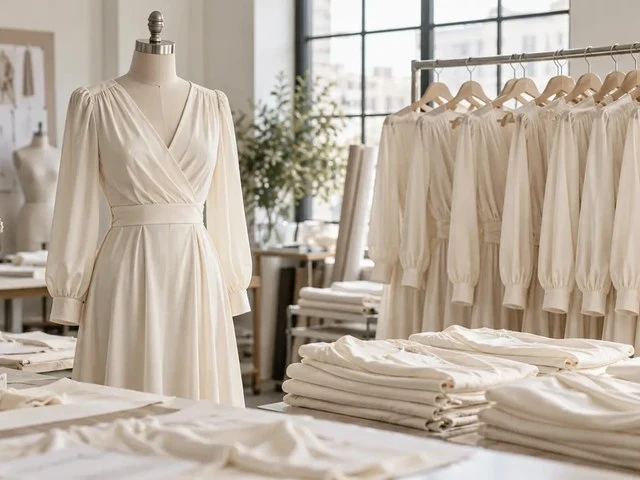
Why Approved Clothing Samples Change in Bulk Production
Clothing sample vs bulk production: why an approved sample changes in bulk, and how brands lock fabric, fit, colour and finishing before cutting.

Garment Durability Testing for Womenswear Brands
Learn which garment durability testing helps womenswear brands evaluate shrinkage, colourfastness, pilling, seams, zippers, trims and embellishment.

When Bulk Is Wrong: How Defect Claims, Rework and Cost Are Actually Split
Garment defect claims explained: which faults belong to the factory, which belong to the spec, and how the approval record decides who carries the cost.
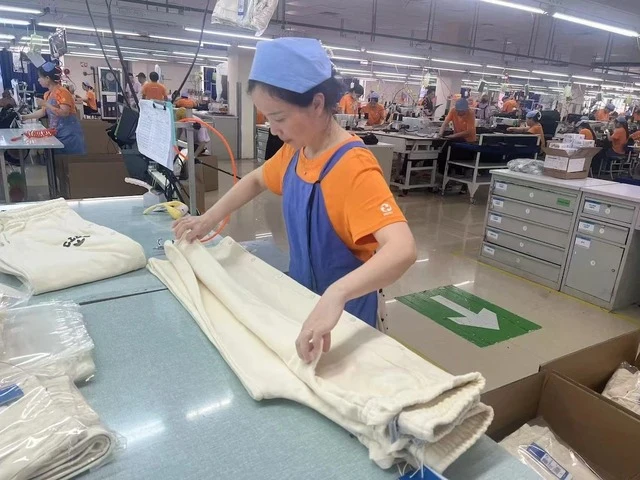
How to Verify a Clothing Factory's Certificates and Audit Reports
Verify clothing factory certification: how to check a certificate number, scope and expiry, what each audit covers, and what no certificate can prove.
Evening Dress Quality Control Checklist
An evening dress quality control checklist for inspection, station by station: measurements, symmetry, internal structure, closures and presentation.

Inline vs Final Inspection in Clothing Manufacturing
Inline and final inspection compared: what each can do, the cost curve between them, DUPRO vs FRI vs PSI, and the loop that makes in-line control work.
What Is AQL Inspection in Clothing Manufacturing?
AQL in apparel, decoded: what "acceptance quality limit" actually defines, inspection level vs severity, and how a sampling decision is reached on garments.

Common dress manufacturing defects and how to prevent them
The dress defects that recur most often, their real root causes upstream of the sewing line, and why a symptom fix on one order leaves the fault in place for the next.

Garment quality control checklist for womenswear buyers
A six-stage quality control checklist in production order: what each check catches, what it cannot catch, and why the same defect costs multiples more when it is found at the end.

What to Check Before Bulk Production Starts
A 40-point factory checklist for B2B buyers before bulk begins: pre-production, fabric, sizing, production setup and shipping. Save it, print it, use it.
Related
Where this topic leads
Services for this topic
Categories this applies to
Start a project
Need an answer now?
Ask directly. We would rather answer a real question than point you at a placeholder page.