
Knowledge centre
Fabric Sourcing
Specifying fabric by function rather than by name.
Fabric sourcing on this site is written around function rather than around names. Two fabrics can share a generic description and behave completely differently once they are cut, sewn, pressed and worn, so the useful questions are what the cloth has to do, what it must not do, and how it will be handled in production.
Four properties decide most of the outcomes: weight, drape, stretch and recovery. Weight sets the season and the volume a design can carry. Drape decides whether a panel hangs or collapses, which is what separates two silhouettes cut from the same pattern. Stretch and recovery are separate properties — a fabric that extends comfortably can still fail to return, and it is the return that a customer notices after an hour of wear.
The other half is the paperwork. Composition, care and origin have to be stated on the label correctly for the market you are selling into, and a fabric claim that cannot be evidenced in writing is a liability rather than a selling point. Certificates are worth holding against the specific article you bought, not against the mill in general.
Start from fabric sourcing for the service view, or browse a category to see the fabrics we hold in production — women’s dresses is where the weight and drape decisions show up most. The guides below work through one property at a time.
Topic
Fabric Sourcing
Specifying fabric by function rather than by name.

Textile Certification Claims for Clothing: GOTS GRS OCS and RCS
Understand textile certification claims for clothing and what brands must verify about GOTS, GRS, OCS, RCS scope, content and transaction documents.
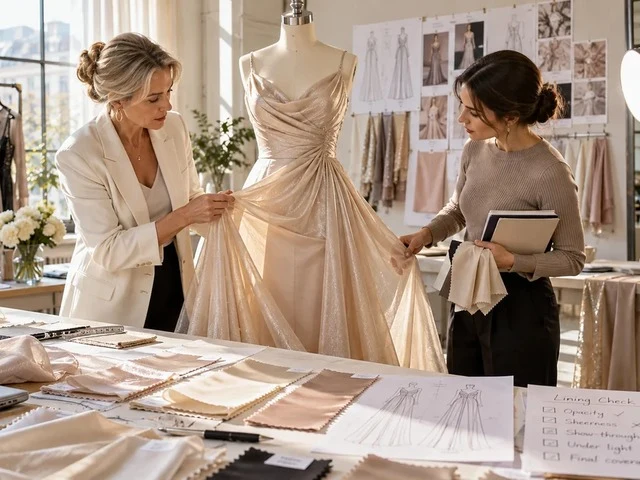
Interfacing for Dresses: Fusible vs Sew-In in Structured Occasionwear
Interfacing for dresses: choosing fusible vs sew-in, matching weight to the shell, and the failure modes to specify against.
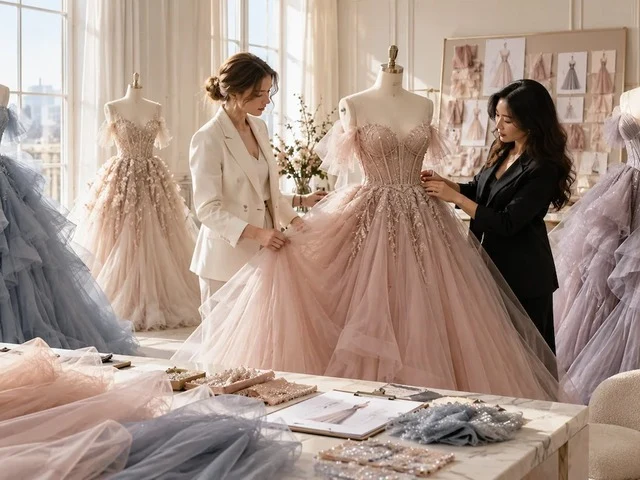
Organza vs Tulle: Which Layer Does What
Organza vs tulle for dresses: what each does as structure, volume and overlay, how they behave together, and which suits which occasion style.

Heavy Satin vs Lightweight Satin: What the Weight Decides
Heavy satin vs lightweight satin: how weight changes drape, shine, seam behaviour and cost — and how to match a satin to the dress you are making.
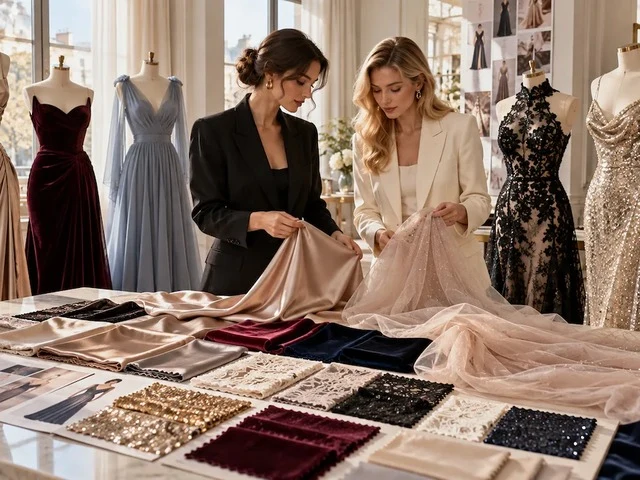
Recycled and Certified Fabric Claims: What the Certificate Actually Proves
Recycled fabric certification explained: what GRS, GOTS, OEKO-TEX and BCI each support, what none of them prove, and the document you must hold per batch.

Stretch and Recovery: How to Specify Elastane in a Dress Fabric
Stretch and recovery in dress fabric explained: how the two properties differ, how to test them without a lab, and what to write in the tech pack.

Fabric Testing Before Bulk: Shrinkage, Colourfastness and Dimensional Stability
Fabric shrinkage test clothing guide: what to test before cutting — dimensional change, colourfastness, seam slippage and recovery — and how to specify it.
Best Fabrics for Evening Dresses
How to choose fabric for evening dresses: satin, crepe, chiffon, tulle, mesh, velvet, lace and sequins judged on the properties that actually decide whether a gown works in production, not on how premium the name sounds.

Satin vs Chiffon vs Crepe for Bridesmaid Dresses
Satin vs chiffon vs crepe for bridesmaid dresses, judged scenario by scenario: group photography, rewear, shade control, warm-weather weddings and margin — with a scorecard and a single-pick recommendation.
How Tulle Changes Prom and Gala Dress Construction
How tulle changes prom and gala dress construction: grade stiffness, layer count, gathering ratio, hem engineering and why colour in a sheer stack is optical.
How Fabric Weight Affects Garment Fit and Drape
Learn how fabric weight and GSM affect garment fit, drape, sampling and bulk production, with practical guidance for womenswear buyers and fashion brands.
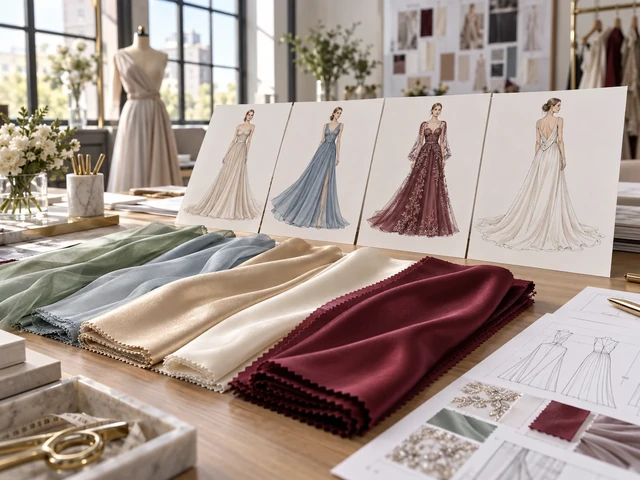
Satin vs crepe vs chiffon for womenswear manufacturing
How satin, crepe and chiffon actually differ in weave, drape, opacity and pressing behaviour, and what each one does to lining, sampling and production cost.
How Color Matching Works in Clothing Manufacturing
Colour matching in garment production: how a lab dip becomes an approval, what CIELAB and dE actually tell you, shade bands, and why print is a different approval.
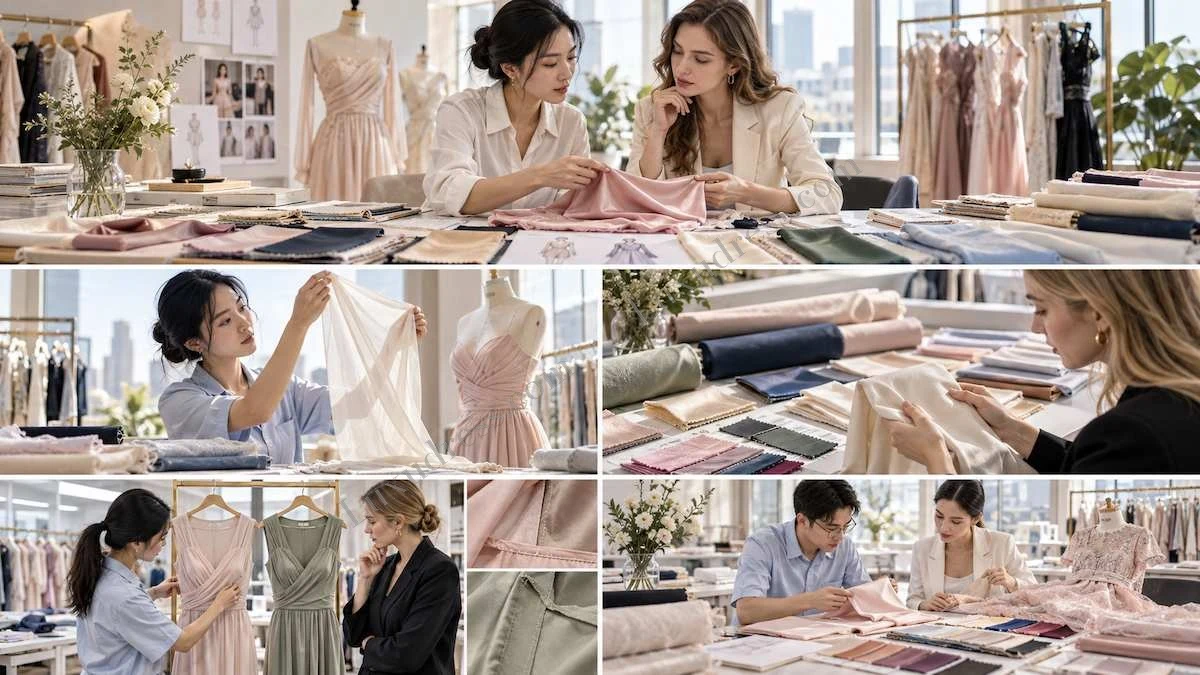
How to choose fabric for a dress design
Fabric selection by function rather than by name: the four properties that decide whether a cloth works, why substrate and finish are separate decisions, and what the choice does to cost and minimums.
Related
Where this topic leads
Services for this topic
Categories this applies to
Start a project
Need an answer now?
Ask directly. We would rather answer a real question than point you at a placeholder page.