
Knowledge centre
MOQ
What actually drives a minimum, and how to work within it.
A minimum order quantity is not one number a supplier publishes and every style obeys. It is the smallest run that a particular combination of fabric, construction, finishing and production line can be set up for and still make sense on both sides. That is why a plain viscose midi and a hand-beaded gown, both made by the same manufacturer, can legitimately carry very different minimums — and why a quoted figure can move when the fabric or the trim changes.
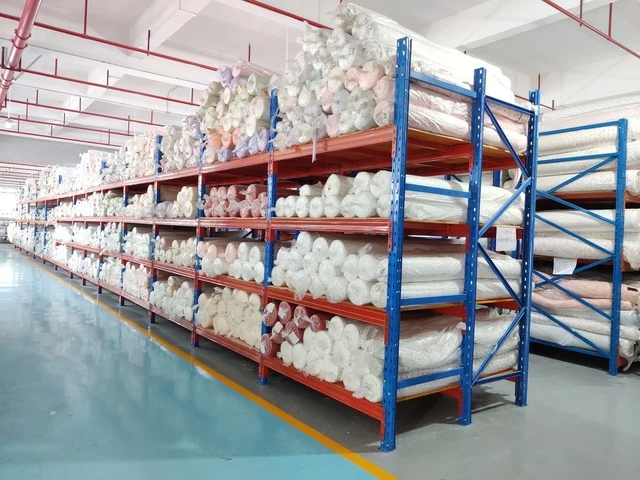
What actually drives a minimum: the fabric mill’s own minimum per colour, whether a dye lot has to be opened for you, how many sizes are in the grade, how much handwork the style carries, and whether the trims are stock items or have to be made. Any one of those can be the binding constraint, and it is worth asking which one it is before negotiating.
Ready stock behaves differently from custom production and the two should not be quoted as if they were the same thing. A ready-stock style can be ordered in a small quantity because it is already made and is picked from a shelf; a custom style is a production run, and the minimum reflects what it costs to set that run up. Where both routes exist for the same garment, the honest comparison is total landed cost against the risk attached to each, not a unit price against a unit price.
Because minimums here vary by category, fabric, construction and factory, every figure is confirmed against your actual style and quantity rather than published as a universal number. See sampling for how a first small run is usually structured, and read the guides below on how minimums are set and where they can move.
Topic
MOQ
What actually drives a minimum, and how to work within it.
Occasionwear MOQ Guide for Fashion Brands
An occasionwear MOQ guide for brands: the five minimums behind a small occasion range — mill, dye lot, trim, handwork and setup — and how to move each.

Low MOQ Clothing Manufacturer for Small Fashion Brands: A Practical 2027 Guide
Low MOQ clothing manufacturer guide for fashion brands: understand minimums, reduce inventory risk, control costs and plan a viable first production run.

What is MOQ in clothing manufacturing?
MOQ explained as an economic result rather than a policy: what the number represents, the four axes it is quoted on, and how to read a minimum you have been given.

How do clothing manufacturers calculate MOQ?
The arithmetic behind a minimum order quantity, worked from both directions: fixed cost per style, contribution per piece, and the per-colour multiplier that catches most small orders.
Related
Where this topic leads
Services for this topic
Categories this applies to
Start a project
Need an answer now?
Ask directly. We would rather answer a real question than point you at a placeholder page.