Solutions
Manufacturing for boutique brands
Your range is small and deliberate, and the construction is part of what customers are paying for. The challenge is finding a facility that takes a small, particular order seriously.
The commercial reality
What actually constrains you
Boutique ranges are usually eight to twenty styles, in quantities that large facilities will not take seriously. That pushes many boutiques towards agents, and agents push towards whatever is easiest to make — which is how a distinctive range becomes generic.
The economics only work if the styles repeat. A boutique that redevelops every style every season never gets its development cost back; one that keeps a core construction and dresses it differently does.
What we do differently
How we work with boutique brands
We take small particular orders seriously
A short run of a genuinely specific garment is a normal job here, not an inconvenience.
Construction detail is the point, not a cost to remove
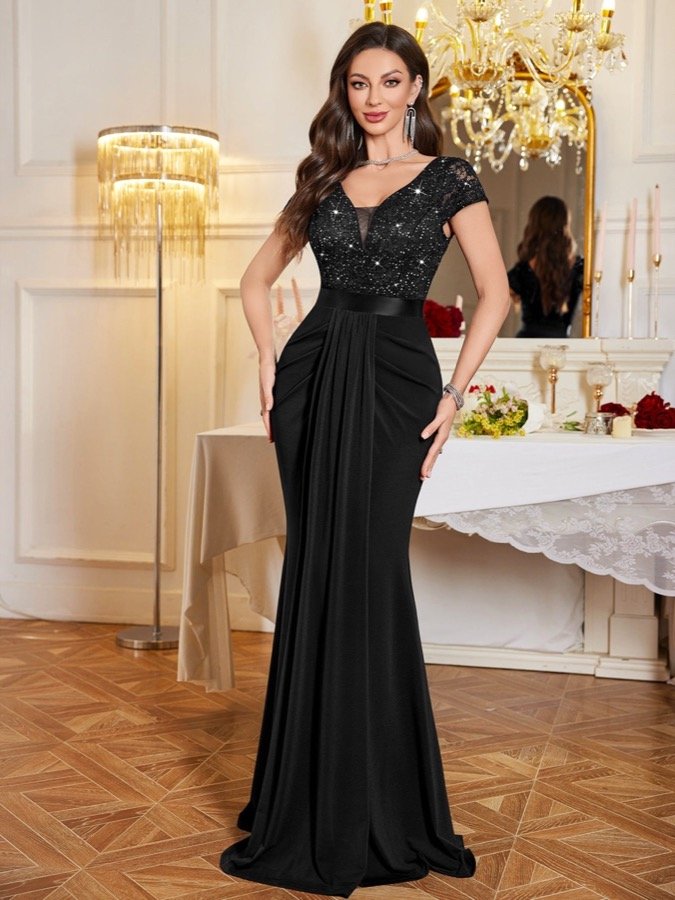
Boning, hand-set beading, matched linings and considered finishing are the work. We do not quietly simplify a garment to make it easier to sew.
Core constructions stay on file
A boutique that keeps three or four blocks on file and dresses them differently each season gets development value back every year.
Honest advice on what is worth making
If a detail will not hold up, or will cost more than the style can carry, we say so before sampling.
Typical programme
What an engagement looks like
- Short-run production across a defined style range
- ODM development from references and sketches
- Retained core blocks dressed in seasonal fabrics and colours
- Small-batch repeats on proven styles
Services most often used
- ODM Development — Start from a reference, a trend or a gap in your range.
- Custom Clothing — Take an existing style and change what matters to you — the fabric, the colour, the length, the neckline, the size range, the trims — without commissioning a new design from zero.
- Sampling — A sample is not a preview.
- Fabric Sourcing — Sourcing to a specification rather than to a price list — weight, stretch, recovery and hand checked against what the garment actually has to do.
What to have ready
You do not need all of this to start a conversation. Having it ready shortens the first quotation considerably.
- Sketches, references or a sample garment for each style
- The target retail price for each piece
- Fabric direction — a swatch, a colour reference, or a hand you are trying to match
- The size range you actually sell
- A realistic quantity per style
Avoid these
Three things that cost boutique brands money
Redeveloping every style every season
Development cost only pays back across repeats. Keep a core block and change the fabric, colour and detailing.
Choosing a fabric without checking the minimum
A beautiful fabric with a minimum that exceeds your whole production run is not available to you. Check the minimum before designing around it.
Leaving the construction detail to the factory's discretion
If a detail matters, state it. Otherwise it will be made the easiest way.
Start a project
Working under a similar constraint?
Describe the problem rather than the product. We will tell you which engagement model fits and what it would take.