On this page
- The minimum is the largest of five numbers
- Fabric can create the real minimum
- Colour multiplies complexity
- Trims and embellishment have their own minimums
- Construction affects setup cost
- Finding the binding constraint
- Splitting an order across styles does not split the constraint
- Negotiate by changing the design problem
- What moving a minimum actually costs
- Practical buyer worksheet
- FAQ
- Next step
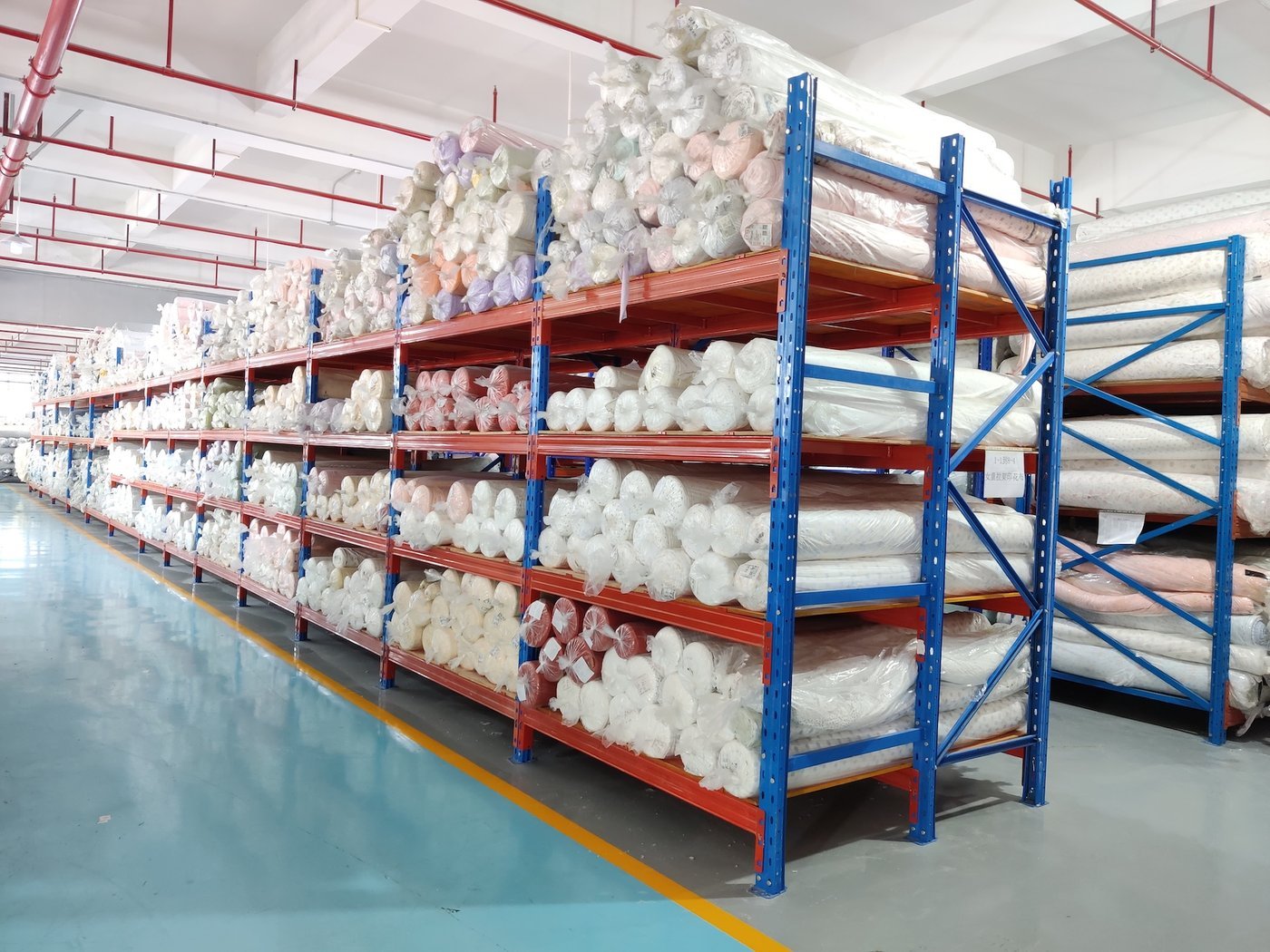
An occasion dress has a shell fabric, usually a lining, often a mesh or a tulle, a set of trims, frequently some handwork, and a construction that needs a pattern and a setup before the first piece is sewn. Each of those is bought or prepared under its own minimum, and a factory quoting an order is quoting against the largest of them. That is why two styles that look equally simple can carry minimums that differ by a factor of four.
This is written for fashion brands, retailers and product developers sourcing occasionwear in the quantities a new or seasonal range actually justifies. It assumes the general mechanics — what the number represents and how a factory derives it — which our guides to what MOQ means and how manufacturers calculate MOQ cover, along with how to evaluate a low-MOQ supplier. What follows assumes that and asks the question those do not: in a small occasion order, which of the five minimums is actually in charge, and what releases it. The category is on our occasionwear manufacturing page, and the private-label route is on our private label page.
The minimum is the largest of five numbers
The useful way to think about an occasionwear minimum is not as a rule but as a maximum. Five separate quantities are calculated, each by a different party for a different reason, and the order cannot run below the largest of them. Ask for the number and you will be given one figure with no explanation. Ask for the five and you have something to negotiate.
The five minimums
| Constraint | Set by | Expressed as |
|---|---|---|
| Mill or fabric minimum | The mill or converter selling the shell, lining or mesh | Metres, or a dye lot of a given weight |
| Dye-lot minimum | A dyehouse, for a custom colour | Kilograms or metres per shade, per lot |
| Trim and component minimum | The trim supplier, for custom zippers, hardware, lace or stones | Units, packs or reels |
| Handwork batch minimum | The beading or embroidery workshop | Pieces per setup, or a workroom load |
| Production setup minimum | The factory, for pattern, marker, sample and line preparation | Pieces per style, before fixed cost is spread thin |
The five are independent. A stock fabric can remove the first and second entirely while the trim minimum still holds the order up. A stock trim set can remove the third while a custom colour keeps the second in place. This is why a brand told to accept a high minimum on one style often finds the same factory can take a much smaller order on a different style at the same price tier: the difference is which constraint is binding, not how difficult the dress looks.
Why the largest one is the only one worth discussing
If the binding constraint is a dye-lot minimum of several hundred metres of a custom shade, then reducing the number of styles, simplifying the pattern or offering to take a smaller total quantity changes nothing at all. The conversation has to be about the shade. If the binding constraint is the production setup on a boned bodice with hand-set stones, the fabric is irrelevant and the useful question is whether a related style can share the same pattern block. Managers tend to negotiate the variable they understand, which is usually quantity, and quantity is only the answer when quantity is the constraint.
A worked example: 300 pieces in six colours
Take a prom programme of 300 pieces intended across six colours, with a lined satin shell, a mesh overlay, a woven trim and a beaded bodice panel. Asked for in one lot, the arithmetic looks like a single order. Broken down, it is six shades of shell, six shades of mesh, six trim orders and one beading load.
| What was asked for | What it becomes in the order file | Which constraint it raises |
|---|---|---|
| 300 pieces | Six colour lots of 50 pieces | Every per-lot minimum is now evaluated at 50, not at 300 |
| Satin shell, 6 shades | 6 dye lots if the ground is not a stock colour | Dye-lot minimum per shade |
| Mesh overlay, 6 shades | A second six-lot exposure on a different ground | Mill minimum per shade, on a lower-consumption fabric |
| Woven trim | Matched to six shades | Trim minimum, plus a shade-matching problem |
| Beaded bodice panel | One beading load if the artwork is shared | Handwork batch — usually satisfied, because artwork is not per colour |
The single most useful change in that list is not the total quantity. It is whether the mesh overlay needs six shades or whether two grounds cover the range. That one decision removes an entire six-lot exposure on a fabric consumed in small quantities per garment, where the minimum bites hardest because the metres needed are few. A brand that accepts a slightly narrower palette in the overlay keeps all six shell colours and moves from a constrained order to a straightforward one.
Fabric can create the real minimum
In most occasionwear orders the fabric is where the largest number comes from, for the simple reason that mills do not run small quantities of anything. What follows is the sequence worth checking, because the fabric constraint can be removed at three different points.
Mill minimums may be higher than sewing minimums
A mill may publish a minimum per article or per colour, and it may be quoted in metres rather than pieces. Converting it into pieces requires the consumption of the specific style, which is where the arithmetic gets uncomfortable: a narrow fabric with a wide skirt and a long train can consume several metres per dress, so a mill minimum that looks modest in metres can still exceed the order. Always convert the mill number into pieces at your own consumption before deciding whether it is a problem.
Stock fabric can support smaller runs than custom dye or weave
A stock shade on a stock ground carries no dye-lot minimum at all, because the lot already exists and the order simply draws from it. That single fact is the most powerful lever available to a small occasion order, and it is usually available: the occasions market is well served by stock satins, crepes, chiffons and mesh in wearable shades. Choosing a stock ground does not mean choosing an obvious colour; it means choosing from a large existing list rather than commissioning a new one.
A custom weave is the other extreme. A new jacquard ground, a bespoke lace or a fabric with an engineered pattern repeat requires a loom setup, and the minimum is set by the loom rather than by the order. Where a custom ground is essential to the design, it is worth accepting the minimum on one colourway and building the range around it, rather than attempting to negotiate the loom.
Wide colour ranges fragment the total order
Colour is where a comfortable total quantity stops being comfortable. Six colours on a 600-piece order is 100 pieces per colour, which may already sit below a per-shade dye minimum. The total order size reassures the brand; the per-shade quantity is what the dyehouse and the mill actually evaluate. Before adding a seventh colour to an occasion range, check what the per-shade quantity becomes and whether that still clears the minimum.
Fabric width and consumption decide how much has to be bought
Two fabrics at the same price per metre are not the same fabric to an order file. A wider ground supports a more efficient marker and less waste, which lowers the metres required and therefore the quantity that must be booked. On a bias-cut skirt or a full circular skirt, consumption per dress rises sharply and the mill minimum converts into far fewer pieces. Whatever the published minimum is, the number that decides the order is minimum divided by consumption, which is why consumption should be estimated before the fabric is chosen rather than after.
Colour multiplies complexity
Colour is treated as a marketing decision and behaves as an operational one. It does not add a percentage to cost; it multiplies the number of times the same setup has to happen.
300 pieces in one colour is not 300 pieces in six
A 300-piece order in a single colour is one fabric booking, one shade approval, one trim match, one marker of a single colourway and one cutting sequence. The same 300 pieces across six colours is six of each of those, at 50 pieces per unit. Nothing about the garment changes and everything about the order does: six shade approvals, six trim matches, and six chances for one colour to arrive late enough to hold up the styles it belongs to.
That multiplication is the reason colour is the most productive thing to trade in an occasionwear order. Reducing a palette from eight colours to four does not halve the work; it removes four independent approval chains, and the release of minimum pressure comes along with it as a side effect rather than as the objective.
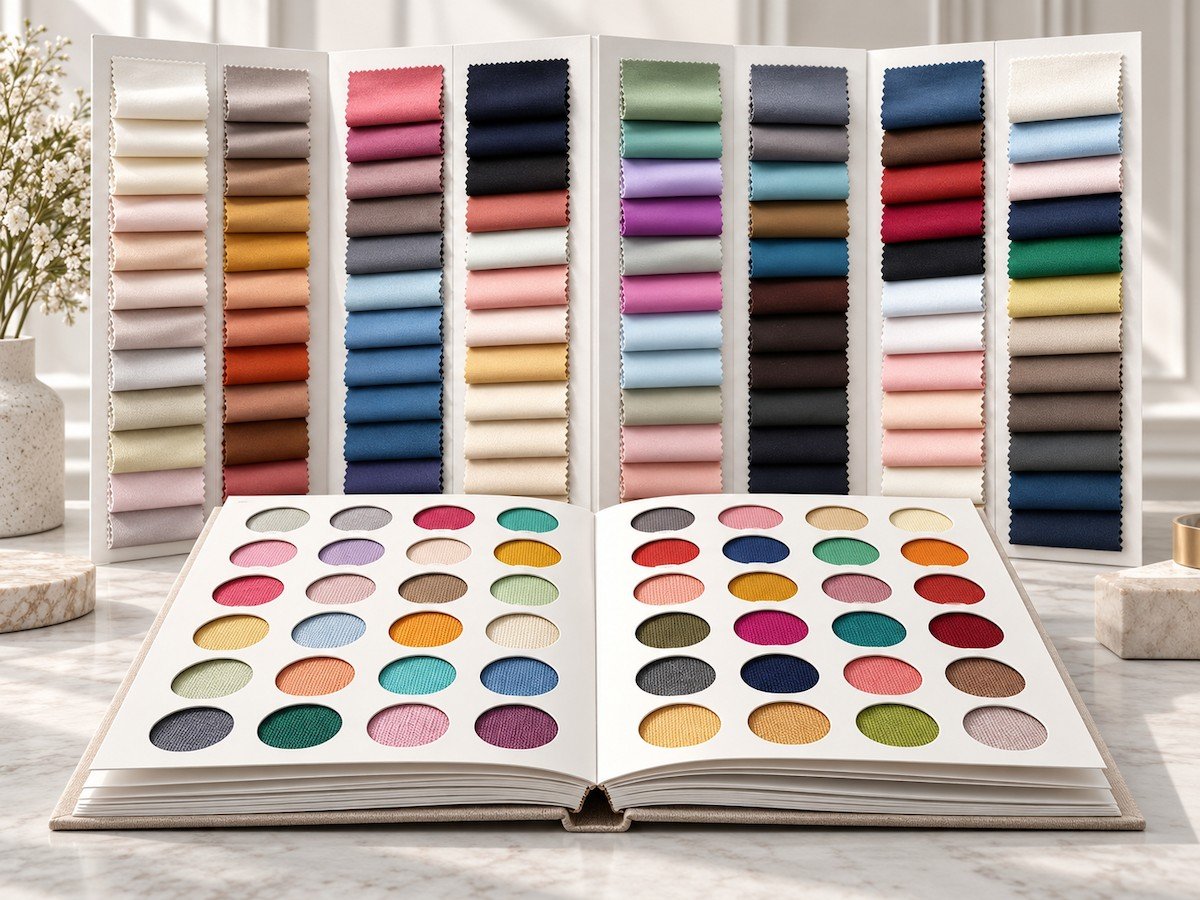
Each colour needs its own shade approval
Shade approval is per lot, not per colour. A shade approved from a lab dip does not automatically cover the production lot, and a production lot that is re-dyed or topped up is a new approval. In a multi-colour occasionwear order the number of approvals therefore grows faster than the number of colours, because a colour that sells well may run over two lots. Budget the approval time accordingly: it is the step most often forgotten when a calendar is compressed.
Small colour lots leave leftover material
When a fabric is bought to a minimum and consumed across a small run, the surplus stays with somebody. If the brand has bought the fabric, the remnant is the brand's cost and its storage problem. If the factory bought it, the remnant is priced into the order. Either way it is a real cost of a narrow colour run, and it is worth agreeing at the quotation stage who holds the leftover and whether it can be reserved for a reorder. A remnant becomes an asset only if it is booked against a second order before the shade is discontinued.
Concentrated palettes lower minimum pressure
The most useful palette discipline in occasionwear is to give each colour a job: a lead colour that carries imagery and sampling, two or three support shades that cover different complexions and occasions, and a continuity shade carried across seasons. A palette built that way is usually smaller than the one a mood board suggests, and the reduction is not a compromise on range — it concentrates the minimums onto the shades the range actually sells, and it makes a reorder on the winning shade possible.
Trims and embellishment have their own minimums
Trim minimums are small in absolute terms and disproportionately disruptive, because a trim is usually bought from a different supplier with a different ordering rhythm from the fabric.
Where trim minimums come from
A custom zipper requires a tape colour and a pull, both matched to the garment; a custom clasp or slider requires a tooling or plating setup; a specific lace requires a pattern and a run; and coloured stones require a dye or coating lot in that colour. Each of those is a setup, and the minimum is the quantity over which that setup can be spread. An existing zipper in a stock colour, an off-the-shelf clasp and a standard stone shape carry no such setup at all.
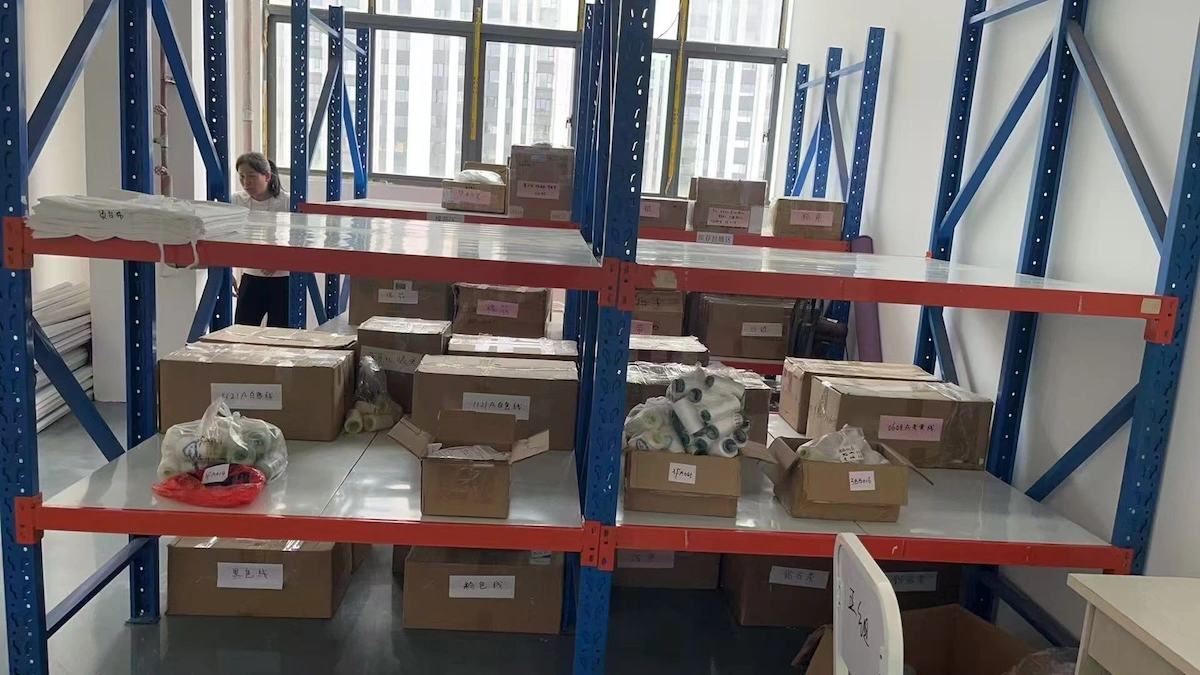
Existing trims are easier for small development runs
Development and first orders are the place to use trims that already exist, and the reason is not just the minimum. An existing trim has a known behaviour in production: its weight on a thin fabric, its reaction to pressing, how it behaves at a seam. A custom trim chosen for a small first order introduces an unknown into the one run where unknowns are most expensive, and it does so in exchange for a detail the customer will not notice at the size it appears. Move custom hardware to the point where the style has proven it can carry the cost.
Handwork has a batch size, not usually a minimum
Beading and embroidery are labour, so their constraint is expressed as a workroom load rather than as a piece count. A workroom will take an order of thirty garments, but thirty garments of hand-beaded bodice still needs the same thread set-up, the same artwork transfer, the same first-piece inspection and the same repair allowance as several hundred. This is why handwork feels expensive on a small run and cheap on a large one: the per-piece cost falls as the setup is shared, even though the rate per hour never moves.
Ask which component is actually driving the quoted MOQ
This is the single question that turns an MOQ conversation from a negotiation into a design session, and it takes one sentence. Which material, process or setup creates the minimum on this style? A supplier who can answer it has quoted from a cost sheet. A supplier who cannot is repeating a number, and a number with no explanation cannot be reduced because nobody knows what it is defending.
Construction affects setup cost
The fifth constraint is internal rather than purchased. It is the cost of setting up a style, and on a small occasion order it is frequently the number that binds — because occasionwear sits at the end of the construction spectrum where setup is largest.
Setup, not labour, is what a small order pays for
A simple slip has a pattern, a marker and a short sequence of operations. A corset-boned bodice has a blocked pattern set, an internal support structure, a cup insertion method, a boning channel layout and an engineered lace placement, and every one of those has to be prepared before a single piece is sewn. Preparation cost does not fall with quantity; only its share of the unit price does. That is the whole arithmetic of a small order, and it explains why the same factory can accept a 50-piece order of a simple crepe column and feel constrained at 50 pieces of a structured prom dress.
- Corset patterns and internal support structures need a pattern block and a channels layout before cutting.
- Beading and engineered lace placement need artwork transfer and a first-piece approval.
- Complex pleating, draping and structured volume need a marker strategy that a simple slip does not.
- Every one of those is prepared once and cannot be shortened by taking fewer pieces.
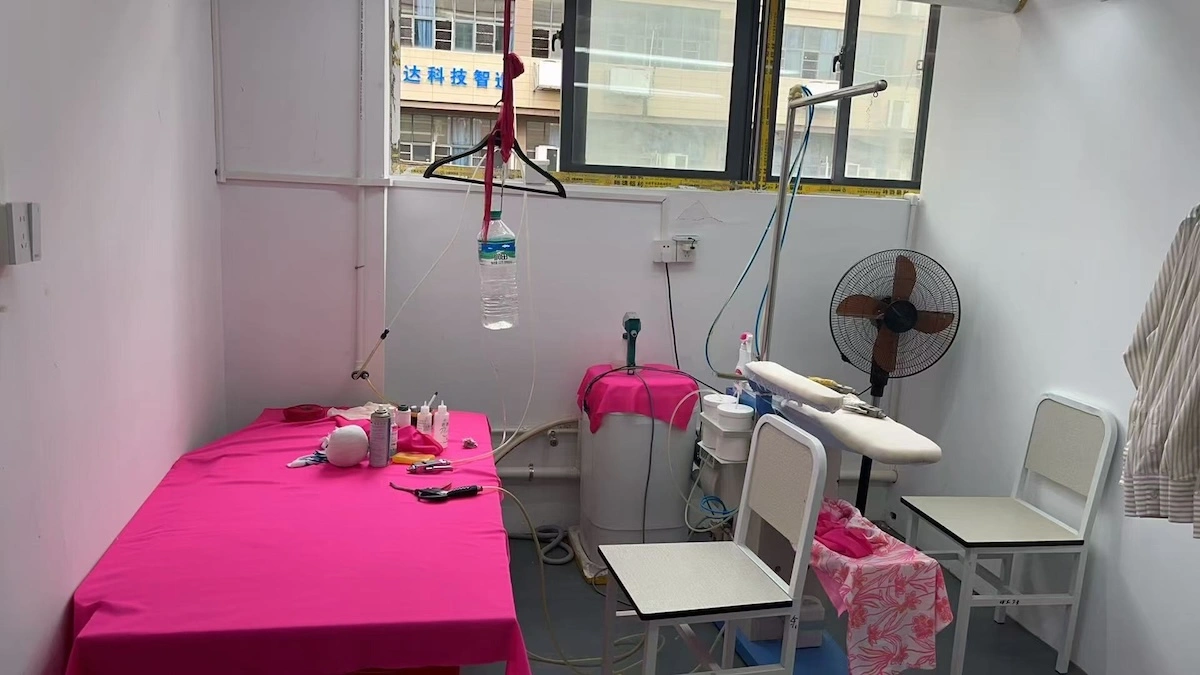
Related style families can create efficiencies
The most reliable way to lower a setup minimum without changing the design is to share the setup across styles. Two dresses built on the same bodice block, the same cup system and the same skirt tiers are one development with two necklines, and the minimum that applies is the minimum for the family rather than for each style. Building a range in families — one bodice block, two skirt shapes, three necklines — is a merchandising decision that lowers the production minimum as a side effect.
The condition is that the sharing has to be real. A bodice that is described as the same but has a different bust dart position, a different boning layout or a different cup is a second development wearing the first one's paperwork, and the minimum will reappear at the pattern stage. Where a family is genuinely shared, the style sheet should name the shared block and the measurement set that goes with it.
Finding the binding constraint
This is the part of an MOQ discussion worth spending a meeting on. Ask five questions, one per constraint, and the order file tells you what to do next. The answers themselves matter less than which one is the largest.
| Axis | The question | What the answer tells you |
|---|---|---|
| Fabric | Is the shell a stock shade on a stock ground, or made to order? | Made to order usually means the mill is the constraint, and the answer is to choose a stock shade |
| Colour | What is the quantity per shade, not per order? | If per-shade quantity is the smallest number in the file, reduce the palette before reducing anything else |
| Trim | Which components are custom, and what is the minimum for each? | Custom hardware or a dyed stone is often the release blocker on an otherwise small order |
| Handwork | Is the artwork shared across colours, and what is the workroom load? | Shared artwork is satisfied by almost any quantity; per-colour artwork multiplies the load |
| Setup | How many distinct development blocks does the range need? | This is the only constraint a design decision can remove, and it is usually the cheapest to remove |
Reading the five answers
If the fabric answer is made to order and the palette answer is small, the two are the same problem and one decision solves both. If the fabric is stock and the trim answer names a custom clasp, the order is a straightforward one blocked by a single component, and substituting that component is the entire negotiation. If all four purchased constraints are satisfied and the setup is what remains, the order is telling you that the range is over-developed relative to its quantity, which is a planning decision rather than a sourcing one.
Splitting an order across styles does not split the constraint
A common attempt to work around a minimum is to spread the quantity across more styles, on the theory that a factory will accept a smaller number per style if the total is larger. It works for the setup constraint and fails for every other one.
Fabric, dye-lot, trim and handwork minimums are all per component rather than per style. Spreading 300 pieces across six styles does not reduce the fabric booking if the six styles share one shell — and if they do not share it, the number of fabric exposures has just increased. Splitting is a genuine solution only where the binding constraint is setup, and even then it fails if each style needs its own pattern block. Before splitting an order, identify which constraint you are trying to relieve, because splitting makes four of the five worse.
Negotiate by changing the design problem
The productive version of an MOQ discussion is not asking for a lower number. It is asking which variable can change, and then deciding whether the change is worth making. Each lever below releases one constraint, and the constraint is named so that the lever can be aimed.
| Lever | The constraint it releases | What it costs the brand |
|---|---|---|
| Choose a stock shade on a stock ground | Mill minimum and dye-lot minimum | Range loses a bespoke ground, usually without the customer noticing |
| Narrow the palette to four or five shades with defined jobs | Per-shade quantity on every purchased component | Fewer colour options to merchandise |
| Use existing trims in stock colours | Trim setup minimum | A detail is less specific; behaviour in production is better known |
| Share one bodice block across several styles | Production setup minimum | Designs must stay within the block's construction limits |
| Carry the style in ready stock first | All five, by removing the custom order entirely | No exclusivity on that shape, and a limited quantity |
| Move custom hardware to a second season | Trim minimum now, not later | Delays a detail rather than cancelling it |
The two moves that usually work
In practice, two levers resolve most small occasionwear minimums. The first is stock fabric in a considered shade, which removes the two largest constraints at once and is almost always available in the satins, crepes, chiffons and meshes this category uses. The second is building the range on a shared bodice block, which removes the setup constraint and improves fit consistency across the range as a side effect. A brand that does both is usually working with a minimum that reflects its actual order rather than the market's.
Test with ready stock when market uncertainty is high
When the demand is genuinely unknown, the cheapest test is not a small custom order but a stock order. Our ready stock range exists precisely for that purpose: it lets a brand put a shape in front of customers, learn which silhouette and shade sell, and place a custom order with the palette decision already answered by real sales. That is not a compromise on the range; it is buying information at a lower price than a speculative production run.
The goal is a route that works for both sides
A minimum forced down by pressure produces a quotation that loses money and a supplier looking for a way out of it. A minimum released by changing one specification produces an order that both sides can repeat, which is what a first occasionwear order is actually for. The measure of a good outcome is not the lowest accepted quantity; it is whether the second order is easier than the first.
What moving a minimum actually costs
Every lever above has a price, and the price is rarely stated. Some of it appears on the quotation and some of it appears later.
- A lower quantity raises the unit price even where the minimum is released, because the same setup is spread across fewer units.
- Substituting a stock shade can remove a dye lot and can also remove a shade the range was built around, which is a merchandising cost rather than a production one.
- Using existing trims improves the minimum and may reduce the perceived value of a detail that appears in campaign imagery.
- Carrying fewer colours concentrates the minimums and also concentrates the risk: if the chosen shade does not sell, more of the order is in it.
- Splitting an order to reach a total quantity increases inspections, packing and freight handling, and those costs are real even though they are not on the unit price.
The discipline is to price the lever before pulling it. If releasing a fabric minimum raises the unit price by more than the saved fabric exposure, the minimum was not the problem — the order size was, and that is a different conversation about how much of the range to commit to.
Practical buyer worksheet
Complete this before asking any supplier for a minimum. The worksheet is the order file in brief, and a supplier who receives it can answer the binding-constraint question immediately rather than quoting a number.
- Target customer and use occasion
- Target retail and wholesale price
- Target ex-factory or landed cost
- Core fabric and backup fabric
- Size range and base fit size
- Colour count and continuity colours
- Critical construction risks
- Approval sample required
- Inspection checkpoints
- Latest acceptable delivery date
FAQ
Why can two styles have different MOQs?
Because the binding constraint differs. One style may depend on a shell fabric with a high mill minimum and a custom shade; another may use a stock ground and stock trims, in which case the only constraint left is the internal setup for pattern, marker and line preparation. Two dresses that look equally simple can therefore differ by a large factor, and the difference is a property of the components and the development, not of how difficult the sewing appears.
Does a higher total order always solve MOQ?
No. A larger total does not help when the quantity is fragmented across many colours or tied to custom materials, because every per-shade and per-component minimum is evaluated on the small number rather than the large one. Raising the total while keeping eight colours can leave every one of the five constraints binding. Consolidate the palette and the fabric first, then decide whether the total needs to rise at all.
Can ready stock reduce risk?
Yes, and it does so by removing the custom order rather than by negotiating it down. Ready stock lets a brand test a silhouette and a shade against real customers in a season, so that the subsequent custom order is placed with the palette already validated. The trade is exclusivity and quantity: the shape is not unique to the brand and the available depth is limited, which is a fair price for market information on a first or uncertain season.
What should brands ask when MOQ feels high?
Ask which material, process or setup creates the minimum on this particular style, and then ask what alternatives exist for that one item. The question is answerable from a cost sheet and it moves the discussion from a number to a decision. Where a supplier cannot name the constraint, there is nothing to negotiate and the practical next step is to compare the same specification elsewhere rather than to keep pressing on quantity.
Next step
We develop and produce occasionwear at our production facilities in Guangzhou and Dongguan, including stock and made-to-order fabric sourcing, shade approval, trim development, shared bodice and corsetry blocks, handwork placement, and both custom and private-label routes. Send the ten lines above and tell us which constraint you think is binding; we will come back with the minimum for your actual specification, the component that sets it, and the options for releasing it. Request a quote, or see how we run the category on our occasionwear manufacturing page.
If the range is not yet decided, our guide to starting an occasionwear brand covers the range and pricing decisions that come before sourcing, and our style library shows constructions already in production. The wider category we work across is on the women's dresses page.