
Knowledge centre
Fashion Business
Commercial decisions that sit upstream of manufacturing.
Some of the most expensive decisions in a clothing business are made before a single garment is cut. What the range contains, how many styles it carries, which price points it spans, when it lands in store and how much cash it ties up — those are commercial decisions that set the constraints manufacturing then has to work inside.
Two of them recur. The first is range size: more styles means smaller runs per style, which raises unit cost and multiplies the sampling and approval work, so a range that is too broad is expensive before anything goes wrong. The second is price architecture: entry, mid and premium tiers have to be distinguishable in construction and fabric, not only in price, or the most expensive tier does not read as premium and the cheapest one does not read as value.
The cash side is the least visible and often the deciding one. A larger order lowers unit cost and ties up more money for longer; a smaller order costs more per unit and leaves room to react. Payment terms decide which of those you can actually afford, and they are worth negotiating at the same time as the price rather than afterwards.
The guides below cover range planning, launch sequencing and the commercial arithmetic behind both. If you are at the stage of building a first range, the route from startups sets out how the first collection is usually structured commercially.
Topic
Fashion Business
Commercial decisions that sit upstream of manufacturing.

France Clothing Environmental Cost: What Fashion Brands Should Prepare
Understand France clothing environmental cost information and the product, material, manufacturing and supplier data fashion brands should prepare.
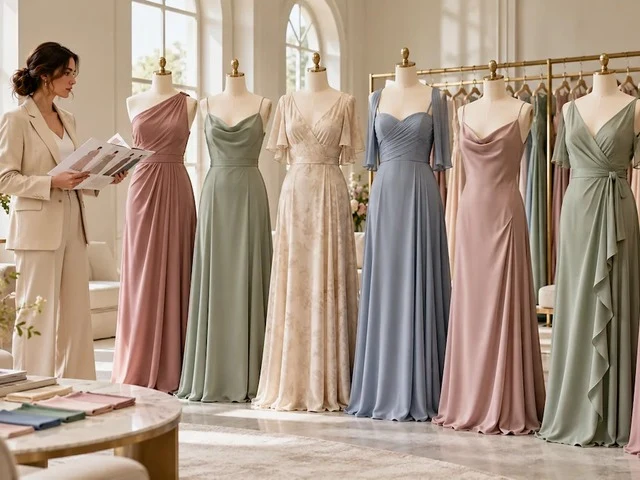
Womenswear Price Points: Building Entry, Mid and Premium in One Range
Womenswear price points explained: what separates entry, mid and premium garments, how to build tiers from the costing sheet, and where ranges fail.
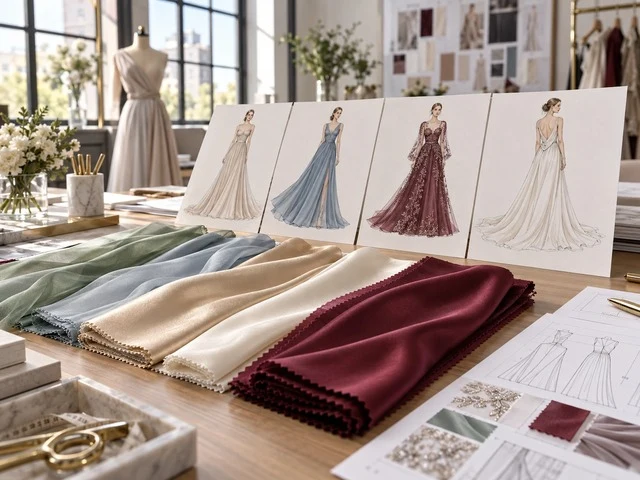
How to Start an Occasionwear Brand
Practical B2B guide for fashion brands and buyers: how to start an occasionwear brand. Covers choosing one buying occasion, building a coherent first range, writing a factory-ready brief, sampling as a decision process and planning the season backward from the selling date.
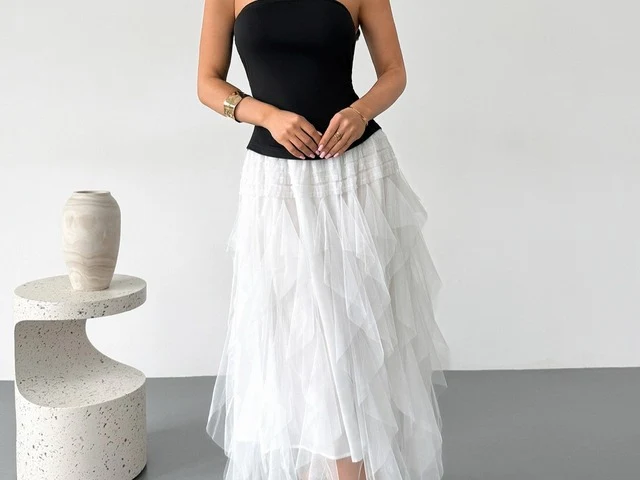
Prom Dress Trends 2027 for Fashion Buyers
Prom dress trends 2027: visible corsetry, lighter ball-gown volume, mermaid shapes, columns and texture, each with its manufacturing decision.
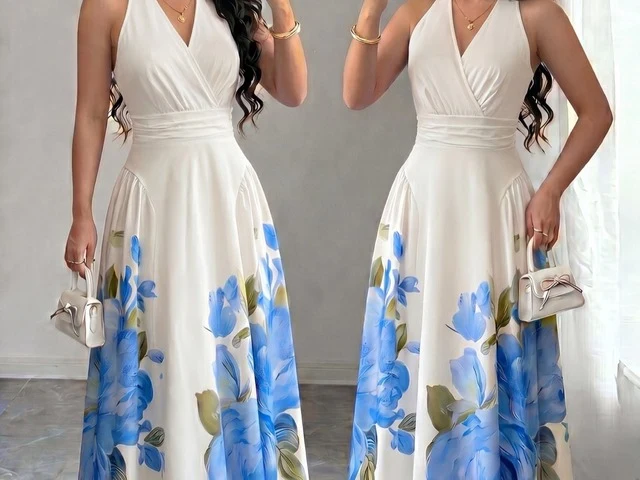
Bridesmaid Dress Trends 2027 for Brands and Retailers
Bridesmaid dress trends 2027 for brands: a group consistency matrix covering colour, satin, mix-and-match fit names, rewear value and dye-lot control.
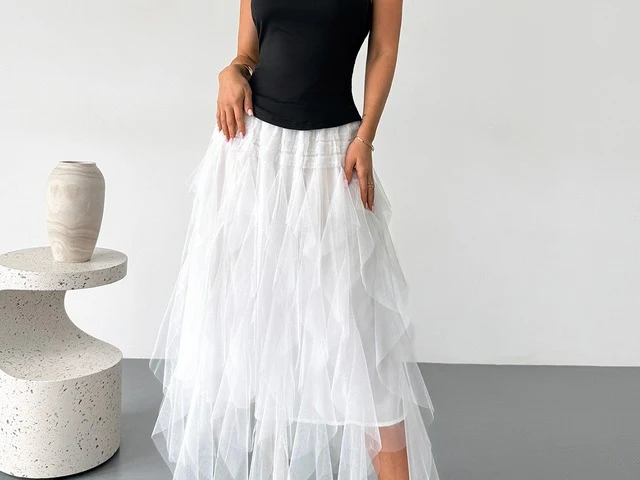
Eveningwear Trends 2027 for Fashion Brands
Eveningwear trends 2027 translated for brands: wearable glamour, cocktail capsules, draping, visible corsetry and texture, each taken from runway to price.
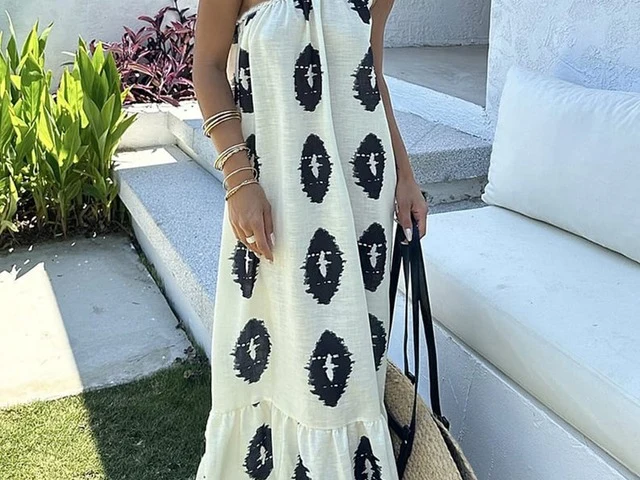
Wedding Guest Dress Trends 2027 for Buyers
Wedding guest dress trends 2027 for buyers: high necklines and open backs, satin, drop waists and cocktail lengths, segmented by dress code.
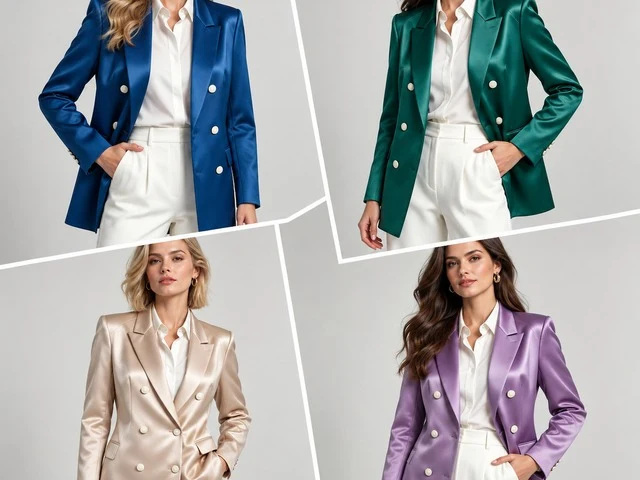
Occasionwear Color Trends 2027 for Collection Planning
Occasionwear color trends 2027 for collection planning: colour roles, jewel tones, saturated brights, softened florals and production colour control.
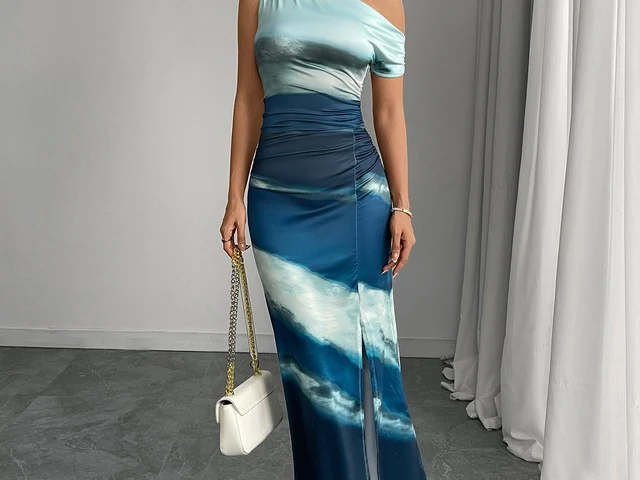
How to Turn Red Carpet Trends into Commercial Dresses
Red carpet trends for fashion brands translated into producible dresses: extracting the signal, cutting construction cost and testing the image moment.
Related
Where this topic leads
Services for this topic
Categories this applies to
Start a project
Need an answer now?
Ask directly. We would rather answer a real question than point you at a placeholder page.